The Coming Age of Household Design: Advanced Contemporary Light Fixtures You Should Examine
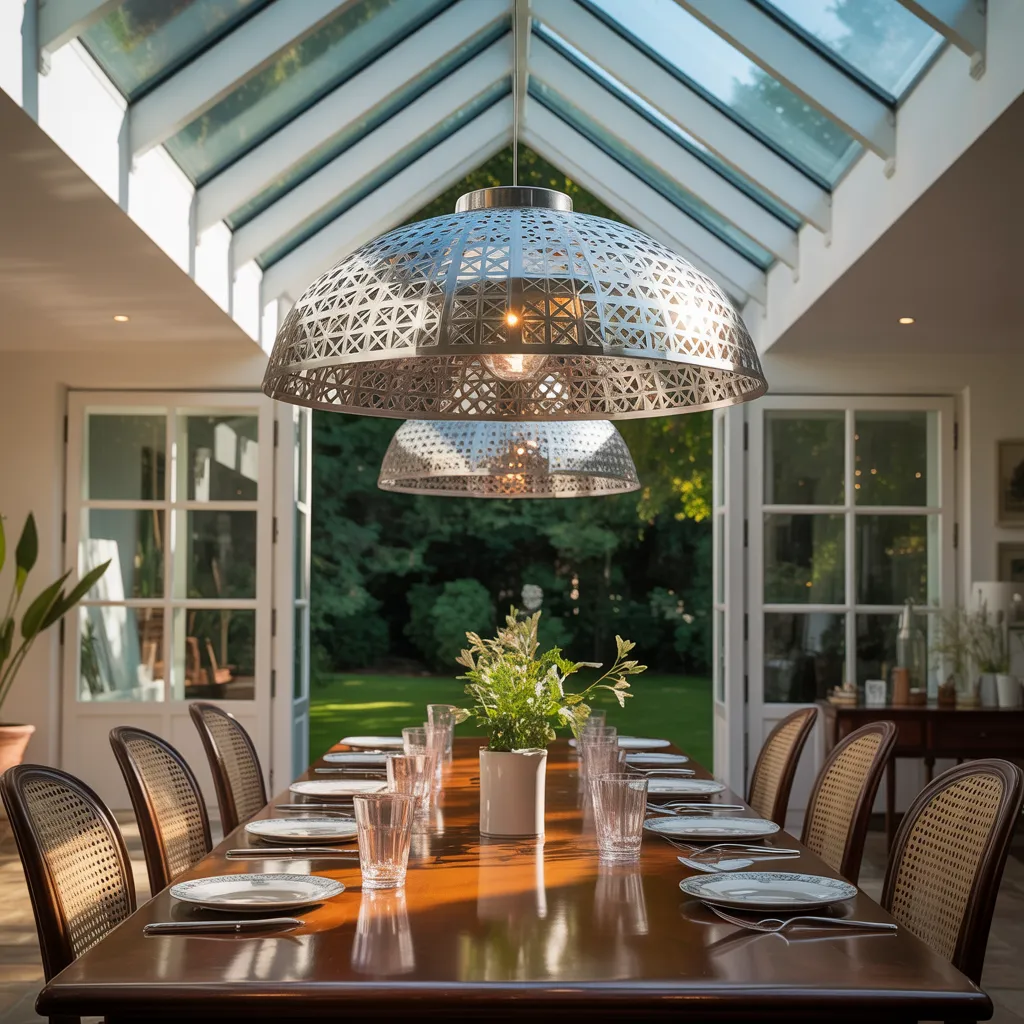
The development of home design is increasingly determined by innovative modern roof lanterns. These structural components enhance natural light and integrate smart technology for better climate control. As preferences shift, geometric shapes and green materials come to the forefront, suggesting a shift toward wellness-oriented environments. Grasping the multifaceted benefits and applications of roof lanterns can change how spaces are utilized. What implications do these breakthroughs have for the homes of tomorrow?
The Benefits of Up-to-Date Roof Lanterns
Contemporary skylight systems provide a wealth of benefits that improve both the aesthetics and functionality of spaces. These architectural elements serve as striking focal points, permitting plentiful light to flood interiors, which can produce a feeling of spaciousness and coziness. By boosting daylight penetration, roof lanterns decrease reliance on artificial lighting, thereby promoting sustainability.
Additionally, they can enhance airflow when constructed with movable components, leading to a better living space. The utilization of superior products assures strength and easy care, making roof lanterns a wise investment.
Beyond their functional advantages, these structures can improve the overall look of a home, fitting naturally with various building designs. By integrating modern roof lanterns, homeowners can benefit from the dual benefits of superior visual design and improved energy performance, making them a common selection in current architectural trends.
Impressive Design Trends for Roof Lanterns
As property owners more and more want to combine style with practicality, innovative design trends for roof lanterns are appearing to meet these demands. One notable trend is the use of geometric shapes, which adds a contemporary flair to classic aesthetics. These geometric forms not only improve visual attractiveness but also maximize natural light. Additionally, biophilic design elements are becoming increasingly popular, integrating organic elements like wood and stone to create a smooth transition between indoor and outdoor spaces.
A emerging tendency is the incorporation of intelligent systems, allowing for adjustable lighting and climate control, enhancing both convenience and energy efficiency. Customizable color choices are also becoming popular, allowing homeowners to tailor their lanterns to complement particular design styles. Finally, simple aesthetic approaches are on the upswing, emphasizing clean lines and simplicity, which connect with contemporary preferences while preserving practicality. Collectively, these movements are redefining how roof lanterns are perceived and utilized in contemporary home design.
Deciding on the Right Roof Lantern for Your Abode
What factors should property owners evaluate when selecting a roof lantern that reflects their individual style and functional needs? To begin, they must consider the architectural style of their home. A contemporary lantern could work well in a contemporary space, whereas a more classic design might enhance a traditional home. Subsequently, evaluating the purpose is critical; whether for daylight, ventilation, or visual appeal, the selected lantern should meet specific requirements.
Size plays a significant role. A greater lantern may establish a striking focal point, whereas a matching information reduced one might settle seamlessly into the existing structure. Homeowners should evaluate their local climate, as well, since this can influence material choices and insulation needs. Finally, it's important to keep energy efficiency in mind; opting for double-glazed options can enhance insulation while decreasing energy costs. By considering these factors, homeowners can surely choose a roof lantern that enhances both form and function in their living space.
Innovative Components in Roof Lanterns

A variety of cutting-edge substances are revolutionizing the structure and performance of roof lanterns. Modern roof lanterns increasingly utilize materials such as structural glass, which offers enhanced strength and transparency, allowing for increased natural light. The use of aluminum in frames delivers a light yet durable structure, capable of resisting various weather conditions while minimizing maintenance needs. Additionally, polycarbonate panels are growing in popularity due to their durability and thermal performance, making them a viable alternative to traditional glass.
Furthermore, advances in coatings and finishes, like self-cleaning or solar-reflective options, are improving the durability and effectiveness of these installations. These materials not only improve aesthetic appeal but also improve the overall user experience, ensuring that roof lanterns are both efficient and fashionable. As these innovations keep evolving, they are forming new criteria in the discipline of home design, particularly in the use of natural light.
Maximizing Energy Efficiency Via Roof Lanterns
Roof lanterns significantly improve power savings in modern homes by improving natural light and reducing reliance upon artificial lighting. By letting sunlight to fill living spaces, these architectural features lessen the need for electric lighting during the day, resulting in lower energy consumption. The deliberate location of roof lanterns can enlighten entire rooms, creating luminous, welcoming environments without the associated costs of electrical illumination.
Moreover, many modern roof lanterns are designed with high-performance glazing, which helps maintain indoor temperatures by decreasing heat loss. This feature contributes to overall energy savings, as lower heating or cooling demands can significantly lower utility bills. Additionally, the enhanced natural light can boost residents' quality of life, promoting a healthier living environment. To conclude, roof lanterns serve not only as aesthetic enhancements but also as functional options for sustainable performance in modern home design.
Clever Techniques for Utilizing Roof Lanterns in Your Residence
Natural light enhances energy efficiency but also reveals a world of creative possibilities for home design. Roof lanterns act as stunning architectural features that can enhance any space. In living areas, they can produce a bright focal point, elevating the overall ambiance while allowing for an uninterrupted view of the sky.
In kitchens, ceiling skylights light up workspaces, turning them more inviting for family gatherings and food preparation. They can also be placed in bedrooms, where they produce a serene atmosphere, excellent for relaxation.
Homeowners can incorporate roof lanterns into outdoor spaces, such as patios or garden rooms, erasing the boundary between indoor and outdoor living. Additionally, strategically placing roof lanterns above staircases or hallways can add warmth and depth to otherwise dark areas. Ultimately, the creative application of roof lanterns can transform how natural light is utilized in modern homes.
Roof Lantern Maintenance Tips
Maintaining roof lanterns is critical for preserving their aesthetic appeal and effectiveness. Regular upkeep is necessary; homeowners should use a delicate cloth and low-impact cleanser to remove dirt and grime from the glass surfaces. It is advisable to avoid scratch-causing agents that can scratch the glass. Additionally, inspecting the seals and frames periodically guarantees that there are no leaks or structural faults. If any damage is found, prompt repairs can prevent further deterioration.
Moreover, clearing the space around the lantern from debris, such as leaves or branches, helps maintain proper airflow and drainage. It is important to look for signs of deterioration on any wiring and lights, including lights or wiring. Finally, maintenance before winter, particularly before winter, can protect the roof lantern from adverse weather. Adhering to these tips will keep roof lanterns looking striking while boosting their performance advantages.
Frequently Posed Questions
How Expensive Are Modern Roof Lanterns Generally?
Modern roof lanterns typically range between £500 and £2,500, based on size, material, and design complexity. Installation expenses may also vary, influencing the overall budget for homeowners considering this architectural enhancement.
Do overhead skylights have the ability to be mounted on existing roofs?
Yes, roof skylights can be fitted on current roofs, as long as the structure can support the extra weight. Professional assessment is suggested to ensure proper integration and adherence with local construction codes for optimal performance and safety.
What Is the Perfect Positioning for Roof Lanterns?
Facing south represents the optimal direction for roof lanterns, increasing sunlight exposure throughout the day. This position enhances natural light, improves energy efficiency, and creates a warm, inviting atmosphere within the living space underneath.
Can roof lanterns be installed in different climate zones?
Roof lanterns are commonly suitable for multiple climates, though aspects such as insulation, air flow, and moisture protection are vital. Proper installation ensures they work well in both warm and frigid environments, boosting natural light and aesthetics.
In What Ways Do Roof Lanterns Influence Your Home's Selling Price?
Roof lanterns can constructively affect home investment value by maximizing bright light and aesthetic appeal. Their modern design often appeals to buyers, arguably causing stronger bids and rapid sales in competitive real estate markets.